Meal Planning & Prep
Plan a week of meals, batch-cook, and pack food that fits your schedule.
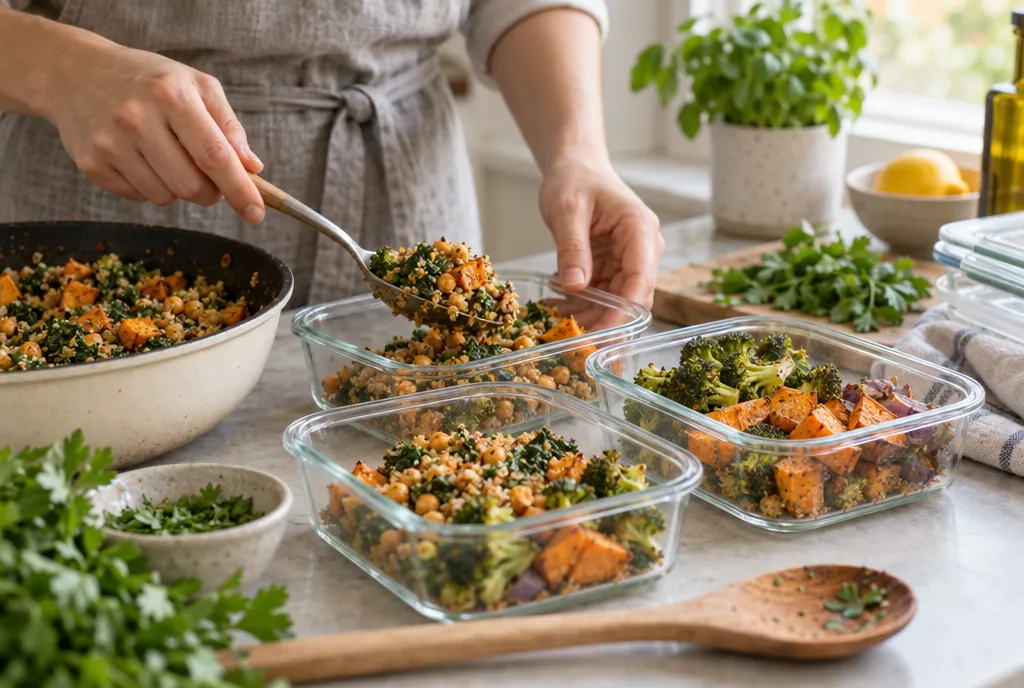
Most healthy eating is decided before you open the fridge. A short plan for the week tells you what to buy, what to cook first, and what to reach for on the nights when you have no time or energy left to decide.
The guides in this section walk through that planning step by step: how to sketch a weekly menu, how to batch-cook a few base ingredients and mix them into different meals, and how to pack breakfasts, lunches and snacks that travel well. You will also find plans for different households, from cooking for one to feeding a family on a tight budget, and practical advice for older adults and for school lunches.
Everything here is built on public guidance from agencies such as USDA and the NHS, and every number links to its source. Use the checklists and templates as starting points, then adjust them to your own tastes, budget and routine. If you follow a medical diet, check your plan with your doctor or a registered dietitian.
11 guides in Meal Planning & Prep
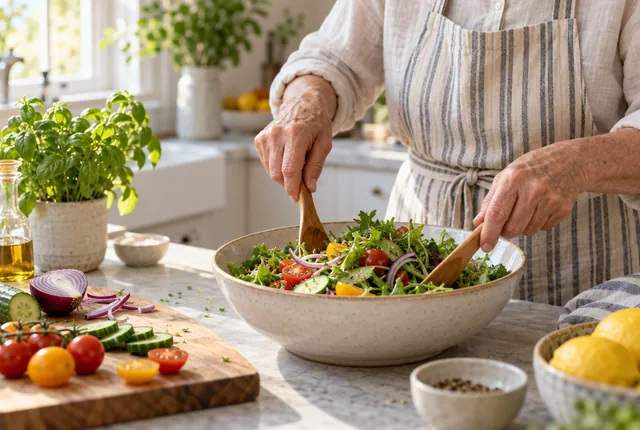
Eating Well as You Get Older: Practical Tips for Older Adults
Practical tips for older adults on protein and fiber from food, drinking enough, changes in appetite and taste, food safety, and cooking for one or two.

Family Meal Planning on a Budget
Plan family meals around sales and seasonal produce, stretch staples across several dinners and get kids helping in the kitchen, with a sample week.
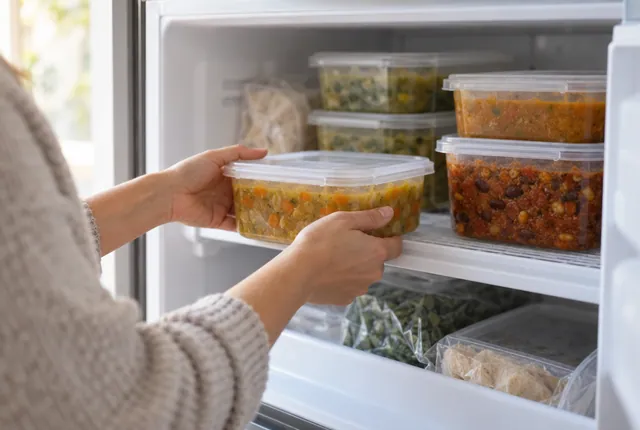
Freezer-Friendly Meals: What Freezes Well and How to Store It
Learn which foods freeze well and which don't, how to package and label portions, and how to thaw and reheat freezer meals safely, using USDA guidance.
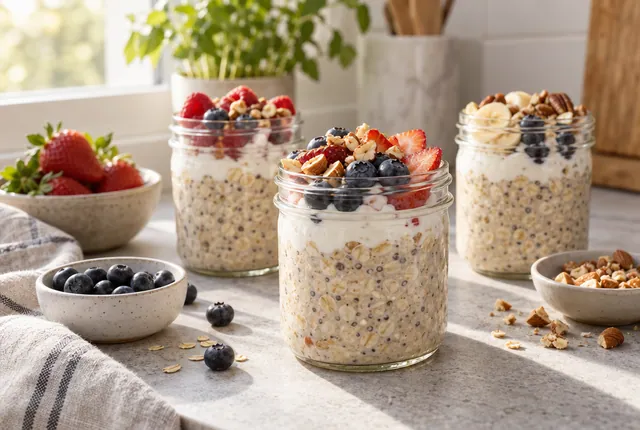
Healthy Breakfast Ideas for Busy Mornings
Quick breakfast ideas built from the food groups, how to compare cereal, bread and yogurt labels for fiber and added sugars, and make-ahead tips that stay safe.
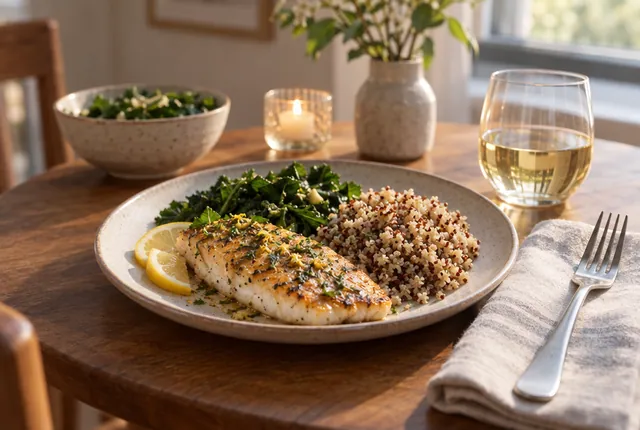
Healthy Meal Planning for One
Plan, shop and cook for one person without waste: buy small, cook once to eat twice, freeze single portions and follow a simple weekly plan.
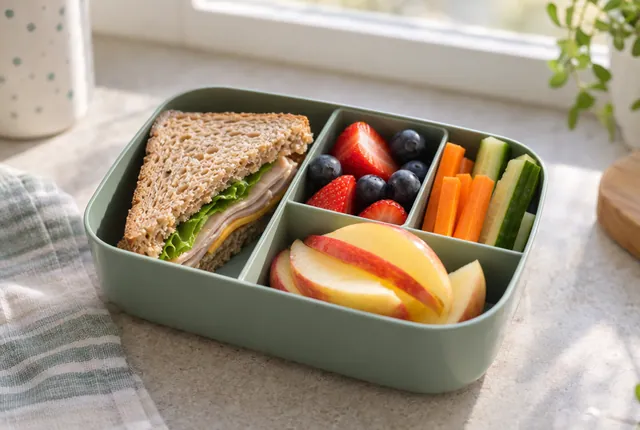
Healthy School Lunches and Snacks for Kids
Pack school lunches and snacks from the food groups, with kid-friendly combos, drink choices, cold-pack basics and a note on allergies at school.
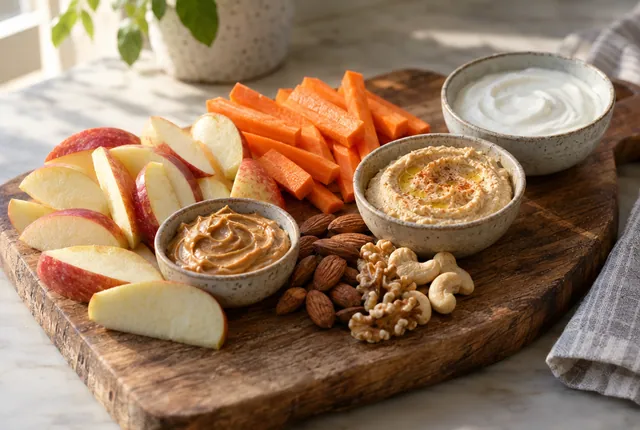
Healthy Snack Ideas Built From the Food Groups
Snack ideas built from the food groups, how to check the label on packaged snacks, and ways to keep portions in view at home, at work and on the go.
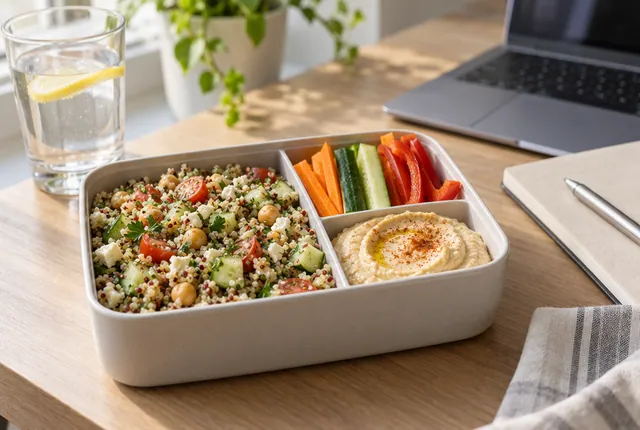
Healthy Work Lunches You Can Pack in 10 Minutes
A simple base + protein + vegetable method for packing work lunches fast, plus how to keep them cold, when to reheat, and what to do if you have no fridge.
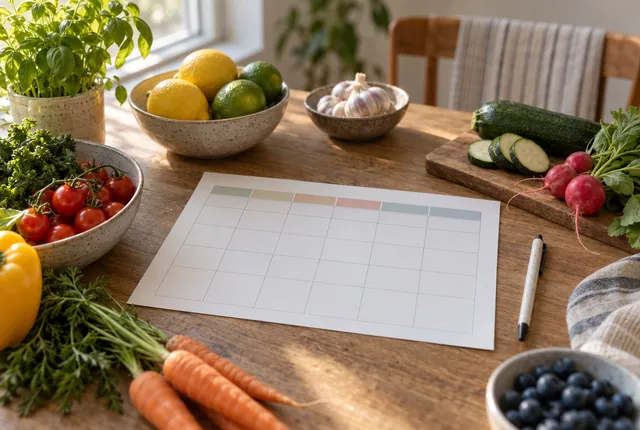
How to Make a Weekly Meal Plan (Step by Step, With a Template)
Build a weekly meal plan in five steps: check your kitchen, pick meals by food group, plan leftovers, write the grocery list and schedule a prep session.
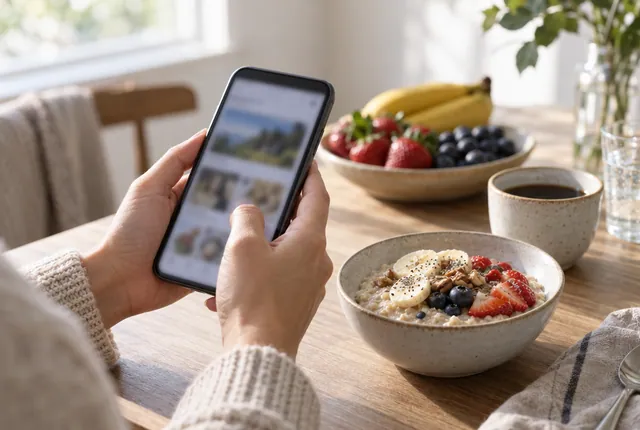
How to Choose a Nutrition or Meal-Planning App
What to check before you download a nutrition or meal-planning app: food data sources, realistic targets, barcode accuracy, privacy, cost and accessibility.
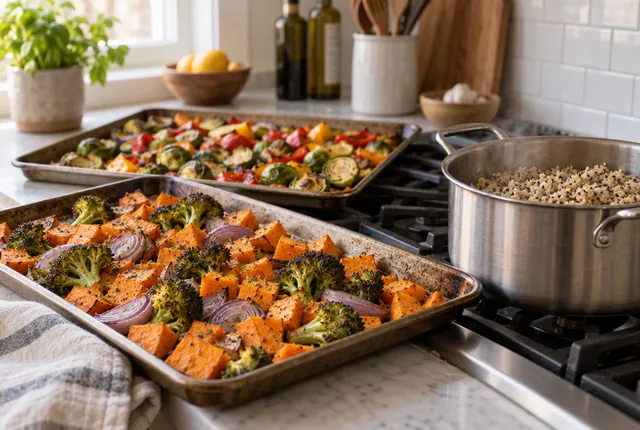
Meal Prep Basics for Busy Weeks
Plan a week of meals in one session: choose a few base recipes, batch-cook, then store and reheat leftovers the way USDA food safety guidance recommends.